
What Are Natural Supplements? A Millennial’s Guide to Smarter Wellness
Taking charge of your health can feel overwhelming—especially with hundreds of bottles and buzzwords crowding the shelves. If “natural supplements” have caught your eye, you’re not alone: more and more Millennials are prioritizing clean, transparent wellness choices. But what exactly are natural supplements, and are they right for you? In this post, we’ll break it all down in plain, trustworthy language—helping you make informed, confident decisions for your lifestyle.
Decoding “Natural Supplements”: What Does “Natural” Really Mean?
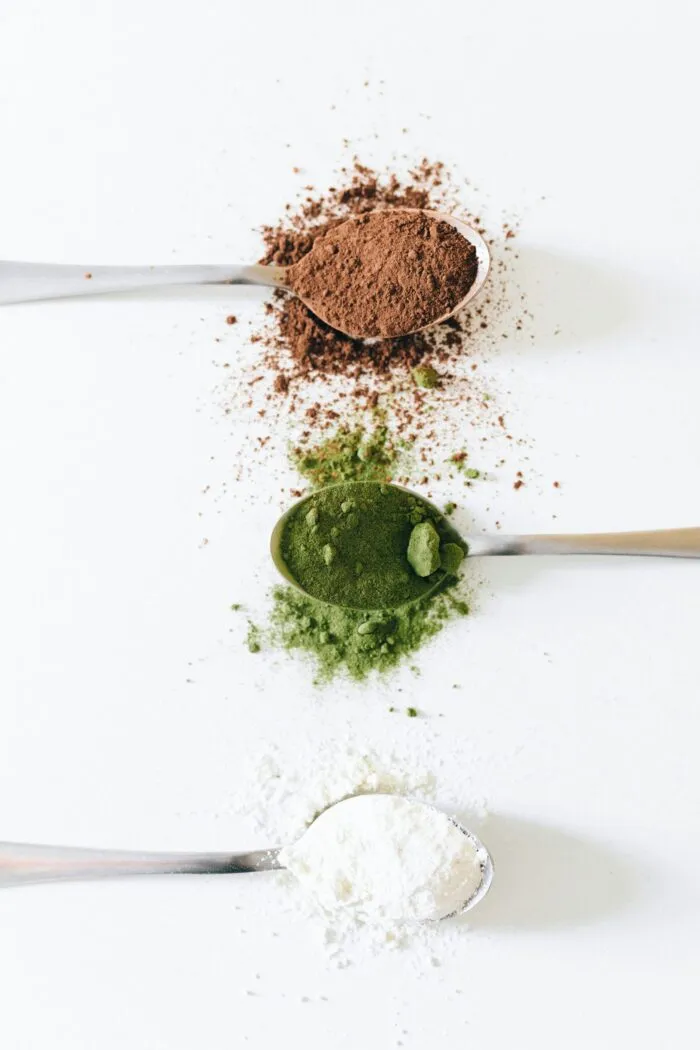
Natural supplements are products crafted from ingredients found in nature—think herbs, plants, minerals, or even select animal sources. They’re designed to support or enhance your health, filling nutritional gaps, boosting your wellness routine, or targeting specific needs.
But “natural” isn’t just a feel-good label. It usually refers to the source and how minimally processed the supplement is, compared to synthetic or highly altered alternatives.
Real-World Example:
After years of cycling between different brands, Jamie—a fitness-focused Millennial—decided to switch to a spirulina and chlorella-based multivitamin, drawn by labels boasting “plant-derived” and “no artificial additives.” The simplicity helped Jamie feel more in control of what went into their body, and the transparent sourcing aligned with their values around clean living.

Why Millennials Are Championing Natural Supplements
If you’re part of the Millennial generation, chances are you value transparency, wellness, and sustainability. That’s reflected in supplement trends: survey after survey shows Millennials seeking out products that are:
- Plant-based, non-GMO, and organic
- Sustainably sourced and ethically produced
- Free from artificial fillers, dyes, or preservatives
Add in the power of social media and peer-reviewed wellness communities, and you’ve got a generation redefining self-care.
Relatable Story:
Consider Alex, who began feeling sluggish and restless during their job’s busy season. After chatting in a wellness forum, Alex learned about adaptogens—herbal supplements like ashwagandha and rhodiola, celebrated for reducing stress naturally. Starting with a reputable, third-party-tested supplement, Alex noticed a real difference in energy levels and mental clarity after a month.
Types of Natural Supplements—and How to Choose Wisely
Navigating the choices doesn’t have to be confusing. Here’s a quick breakdown of the most common types:
1. Vitamins and Minerals
These include familiar names like vitamin D (from lichen), magnesium (sourced from sea minerals), and iron (from plant-based sources like lentils and spinach).
2. Herbal & Botanical Extracts
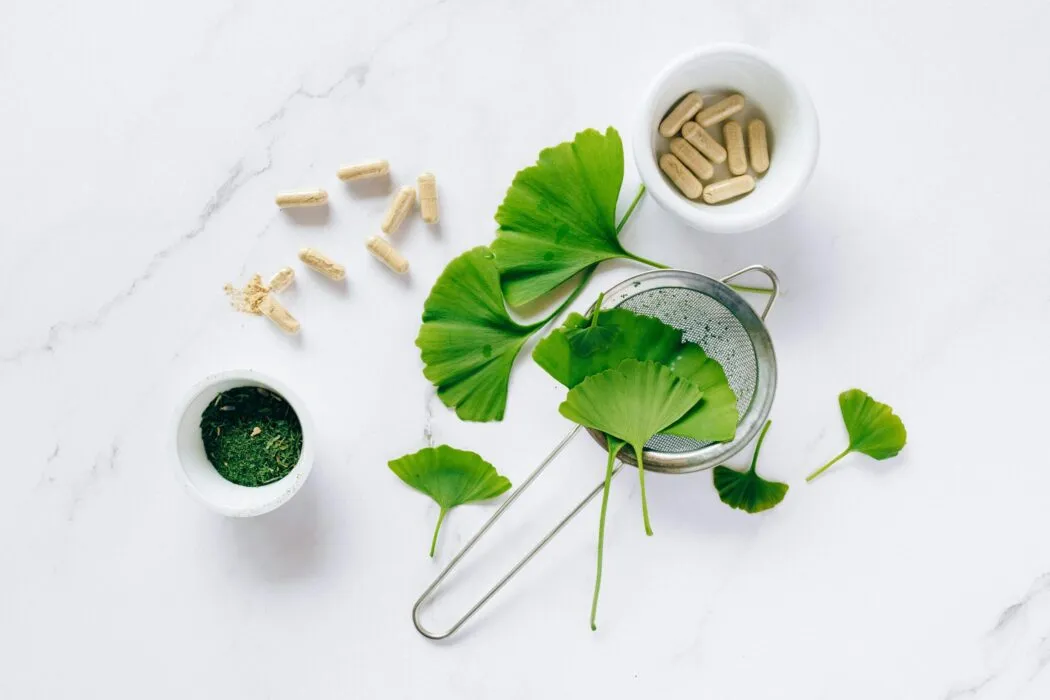
Supplements such as turmeric, echinacea, elderberry, and ashwagandha, often used for immune support, cognitive health, or stress relief.
3. Plant-Based Proteins & Functional Mushrooms
Pea, hemp, and brown rice proteins are favorites among fitness-forward Millennials, while reishi, lion’s mane, and cordyceps mushrooms are gaining fans for their nootropic and adaptogenic benefits.
4. Probiotics and Digestive Enzymes
Natural probiotics (from fermented foods or lab-cultured strains) and plant-derived enzymes support gut health—an increasingly hot topic in Millennial wellness.
Smart Selection Tips
- Read the label. Look for third-party certifications (USDA Organic, NSF, etc.) and transparent ingredient lists.
- Start simple. Add only one new supplement at a time to monitor how your body reacts.
- Consult a professional. Always check with a healthcare provider, especially if you have underlying conditions or take prescriptions.
- Track your progress. Use a journal or wellness app to note changes in your mood, energy, or symptoms.
Busting Myths: The Truth About Natural Supplements
There’s plenty of buzz around “natural”—but some misconceptions persist. Let’s clear up a few:
- Natural doesn’t always mean risk-free. Some herbal supplements interact with medications or cause side effects. Always research and consult professionals.
- Supplements aren’t an instant fix. Expect to give your body several weeks to experience full benefits.
- They complement—not replace—a healthy lifestyle. Supplements can fill nutritional gaps or support specific wellness goals, but balanced nutrition, movement, and self-care are the foundation.
Quick Data Point:
A 2023 Consumer Health Survey found that 63% of Millennials use dietary supplements to help fill perceived nutritional gaps, though 72% say they research ingredients and read reviews before starting something new.
From Insight to Action: Making the Most of Natural Supplements
Ready to enhance your wellness journey? Here’s how to move forward wisely:
- Do your homework. Review independent research on the supplements you’re considering. Reliable sites and scientific studies can provide valuable insights.
- Prioritize quality. Choose high-potency, transparently sourced products—avoid vague or “proprietary blend” labels.
- Embrace consistency. Most benefits appear with regular use; patience pays off!
- Pair with lifestyle changes. Supplements work best when combined with mindful habits (like getting enough sleep, exercising, and managing stress).
Conclusion: Empowering Your Wellness—Naturally
Natural supplements can be a powerful ally in your wellness routine. They align with Millennial values around transparency, sustainability, and proactive self-care—and, when chosen carefully, can support your unique health journey. By combining trusted information, real-world examples, and mindful action, you empower yourself to take control of your wellbeing, one smart step at a time.

Next Steps: Start Your Natural Wellness Journey with Confidence
Ready to explore high-potency, transparently sourced supplements designed for your modern lifestyle? Visit larealsnaturalsupplements.org to discover our curated collection—and don’t miss our newsletter for expert tips, product updates, and exclusive offers.
We want to hear from you! Have you tried natural supplements, or do you have questions on where to start? Share your experiences and thoughts in the comments—your journey could inspire someone else.